
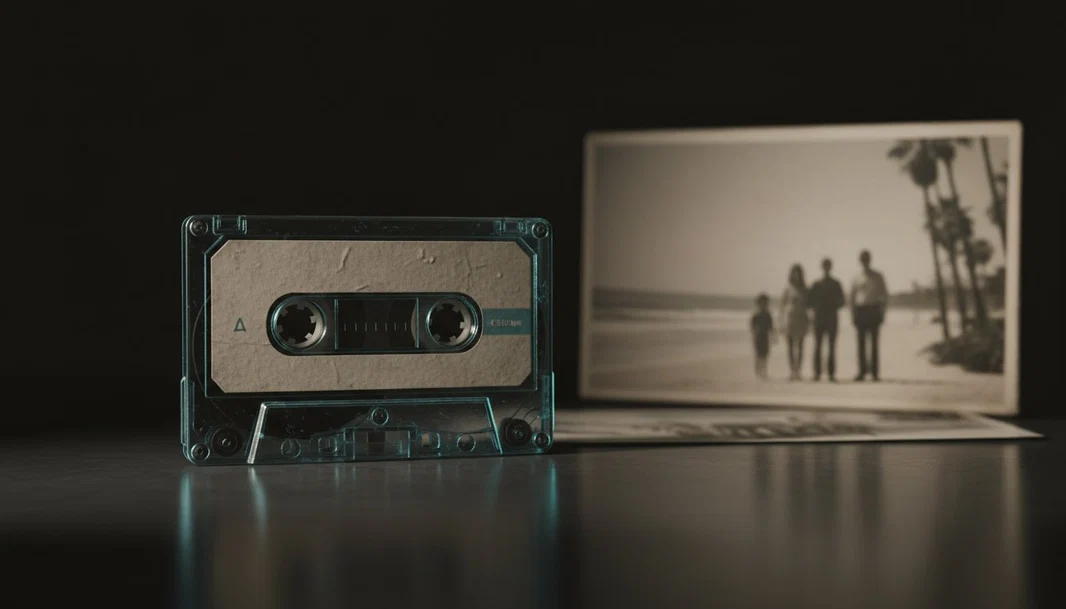
Last Tuesday, a Laguna Woods resident uncovered a dusty shoebox containing a recording of her daughter’s first words from 1974. This fragile piece of history exists because of the 1963 audio cassette invention by Philips, a breakthrough that changed how we captured our lives. While the technology was revolutionary 61 years ago, these plastic shells weren’t built to last forever. You might notice a persistent hiss or a mechanical squeal when you try to play them today.
It’s unsettling to realize that your most cherished family stories are currently trapped on degrading magnetic tape. We agree that these recordings are irreplaceable pieces of your legacy that deserve to be heard by future generations. This guide will help you discover the fascinating history of the compact cassette and teach you how to identify the specific signs of tape decay. We will also outline the steps to safely preserve your memories through professional digitization services available to residents in Laguna Woods and the surrounding South Orange County area.
Key Takeaways
- Trace the journey from bulky reel-to-reel machines to the revolutionary 1963 audio cassette invention that made music portable for the first time.
- Discover how the mixtape and the Sony Walkman reshaped local culture and personal memories across South Orange County.
- Identify the warning signs of “Sticky Shed Syndrome” and understand the chemical reality of how your aging tapes degrade over time.
- Learn why professional digitization is the only trusted way to preserve your recordings and avoid the poor results of cheap USB converters.
- Find out how specialized transfer services in Laguna Woods can help you safely migrate your family history to a secure digital format.
Before the Audio Cassette Invention: The Era of Bulky Reels in South Orange County
Before the master-planned communities of Mission Viejo took shape, capturing sound was a labor-intensive chore. In the 1950s and early 1960s, South Orange County families relied on reel-to-reel machines to document their lives. These devices were heavy, static, and technically demanding. They often weighed over 20 pounds and sat on dedicated desks, tethered to wall outlets. For local families, preserving a child’s first words or a holiday greeting meant wrestling with exposed magnetic tape that was easily damaged by dust or heat.
The “threading” problem was the primary barrier for the average household. To record audio, a user had to manually pull the tape from a supply reel, weave it through a series of playback heads, and secure it to a take-up reel. One small mistake led to “tape spill.” This occurred when feet of fragile magnetic ribbon would tangle on the floor, often ruining the recording. This technical complexity kept audio recording a niche hobby for enthusiasts rather than a household standard. The audio cassette invention eventually removed these hurdles, but the early 1960s was still an era of fragile, exposed media.
The Pre-1963 Audio Landscape
Before the 1963 breakthrough, industry leaders attempted to simplify the recording process. The RCA Victor cartridge arrived in 1958. It was an early attempt at a “magazine” style format, but its five-inch by seven-inch frame was too large for true portability. For a casual Laguna Hills hobbyist, these early attempts were expensive and lacked the support of major manufacturers. The Compact Cassette is a standardized, pocket-sized housing for magnetic tape that finally solved these design flaws. It offered a protected environment for the tape, ensuring that grease from fingers or debris from the air wouldn’t degrade the sound quality.
The Need for a “User-Friendly” Medium
The 1960s brought a cultural shift toward personal, portable media. Consumers in growing suburbs wanted to take their favorite albums to the beach or listen while driving down the newly developed local roads. High-fidelity sound was a secondary concern for most families. They wanted a medium that was rugged and simple to operate.
In 1963, the Philips company introduced the audio cassette invention at the Berlin Radio Show. Their engineers focused on a compact design that protected the tape inside a plastic shell. This move prioritized convenience over the studio-grade quality of reel-to-reel. It allowed the new format to become the trusted choice for home recording. By removing the need for manual threading, Philips made it possible for anyone to preserve their memories with the push of a button.
- Portability: Cassettes were small enough to fit in a shirt pocket.
- Protection: The plastic shell prevented tape tangles and environmental damage.
- Standardization: Philips shared the technology for free, ensuring it became a global format.
Lou Ottens and the 1963 Philips Breakthrough: Engineering the Compact Cassette
Lou Ottens led the engineering team at Philips that changed how the world listened to music. Before his work, high-quality audio required heavy reel-to-reel machines. Ottens wanted a smaller, more accessible solution. The audio cassette invention made its official debut at the Berlin Radio Show on August 30, 1963. By 1964, the technology reached the United States, starting a revolution in portable sound. Lou Ottens, inventor of the audio cassette, focused on making the technology simple and reliable. He oversaw the development of a system using two internal spools and a thin magnetic film. A small felt pressure pad kept the tape aligned, ensuring consistent playback quality.
The decision to make the cassette an “Open Standard” was a turning point. Philips chose to share the technical specifications for free. They didn’t charge royalties to other manufacturers. This move encouraged global adoption. It allowed the cassette to become the universal format for home recording and personal listening for decades. If you have a collection of these early recordings, you can preserve your audio memories through professional digitization services. We handle these fragile tapes with the care they deserve.
The “Wooden Block” Prototype
The size of every cassette tape in the world was decided by Lou Ottens’ jacket pocket. He carved a wooden block to a specific size to ensure the device would be truly portable. This physical constraint forced engineers to innovate. They had to shrink the tape speed to 1.875 inches per second. This was exactly half the speed of professional reel-to-reel tapes. Achieving clear sound at such a slow speed was a massive technical challenge in 1963. This prototype set the standard for the audio cassette invention that millions would eventually carry in their pockets.
Why the Invention Succeeded Where Others Failed
During the 1970s, the 8-track tape was a common sight in cars throughout Irvine and South Orange County. However, the 8-track was bulky and prone to mechanical failure. The Philips cassette succeeded because of its durable plastic shell. This housing protected the delicate magnetic film from dust and heat. The “licensing for free” strategy also played a major role. It killed off proprietary rivals like the Sony Elcaset. While other companies focused on high fees, Philips focused on accessibility. The result was a rugged, reliable format that could survive a hot dashboard or a crowded backpack.
From Mixtapes to Walkmans: How the Cassette Revolutionized Local Listening
The 1963 audio cassette invention did more than just shrink the size of music players. It gave listeners the power to curate their own lives for the first time. Before this breakthrough, music was a passive experience controlled by radio stations or record labels. By the late 1970s, the cassette had turned every listener into a producer. This shift created a new way for people in South Orange County to express themselves through sound.
The Rise of the Mixtape Culture
The ability to record directly from the radio changed the listener’s power. It allowed people to capture specific songs without buying a full LP. For Aliso Viejo teenagers in the 1980s, a hand-curated mixtape was a significant form of personal communication. These tapes were often given as gifts or shared among friends to introduce new bands. You spent hours sitting by a boombox, waiting for the DJ to stop talking so you could hit the record button at the exact right moment.
These tapes held immense emotional value. They were unique artifacts of a specific time and place. This same desire to save personal history is why many local residents now prioritize a VHS to digital transfer for their home movies. Both cassettes and VHS tapes represent a period where we began documenting our own stories. Preserving these recordings ensures that the “soundtrack” of your youth doesn’t fade away as the physical tape degrades.
Portable Sound: The Walkman and the South OC Lifestyle
The launch of the Sony Walkman in July 1979 finalized the cassette revolution. It turned music into a private, portable experience. In South Orange County, this technology fit the active outdoor lifestyle perfectly. You could see San Clemente surfers listening to local punk bands while checking the morning swell. Dana Point joggers used the Walkman to make their miles along the harbor more enjoyable. Portability made audio a constant companion for the first time in history.
The audio cassette invention also transformed local car culture. During the 1980s, South OC drivers often swapped out factory-installed radios for high-end cassette decks. This allowed for the rise of “bootlegging,” where fans recorded live concerts or traded rare tracks. It was the early democratization of music. You didn’t need a corporate distributor to get your music into someone’s hands; you just needed a blank tape and a recorder. This era bridged the gap between the rigid analog world and the flexible digital era we live in today. While the format has changed, the habit of taking your favorite songs wherever you go remains a staple of California life.

The 2026 Cassette Revival and the Science of Tape Degradation
By 2026, the cassette tape has transitioned from a forgotten relic to a prized collector’s item. Younger generations in South Orange County are leading this cultural shift. They appreciate the tactile nature of physical media. While streaming provides instant access, it lacks the physical connection found in a plastic case and printed liner notes. This resurgence celebrates the original audio cassette invention, even as the physical materials face a silent, chemical deadline.
Why Cassettes Are Trending in 2026
Gen Z listeners are seeking authenticity in a digital world. The lo-fi aesthetic is a major draw. Many enthusiasts enjoy the unique sound of tape hiss and the slight warmth that analog recording provides. Local music shops in Irvine and Mission Viejo have reported a 25% increase in vintage tape sales over the last 18 months. Collectors enjoy the ritual of manual playback. They like the act of inserting a tape and pressing a mechanical button. It is a deliberate way to experience music that digital files cannot replicate.
The Threat of Humidity and Heat in Coastal California
The very chemistry that made the audio cassette invention possible is now its greatest weakness. Binder Hydrolysis, often called Sticky Shed Syndrome, is a primary concern. This occurs when the polyurethane binder in the tape absorbs moisture from the air. In coastal cities like San Clemente, the salt air and high humidity accelerate this process. The binder becomes gummy, causing the magnetic oxide to peel away from the plastic backing.
Storage conditions in South Orange County often hasten this decay. Attics in Laguna Woods can reach temperatures exceeding 120 degrees during summer months. This extreme heat makes the thin plastic tape brittle or causes it to warp. Magnetic oxide typically has a 20-30 year lifespan before significant signal loss occurs. You can identify a failing tape by these specific signs:
- A high-pitched squealing sound during playback.
- Visible brown or black residue on the tape player heads.
- White, fuzzy mold spots on the edges of the tape reel.
- The tape sticking to itself when you try to rewind it.
We are currently in a critical window for preservation. Most tapes recorded in the 1980s and 1990s have already passed their expected shelf life. Once the oxide sheds, the recorded memories are gone forever. We act as a trusted guardian for these recordings, ensuring the voices of your family stay clear and audible. It’s vital to preserve memories by transferring cassettes to digital formats before the coastal climate causes permanent damage.
Preserving the Invention: Professional Audio Transfer in Laguna Woods
Magnetic tape is a fragile medium. While the 1963 audio cassette invention allowed for unprecedented personal recording, these tapes were never designed to last forever. Most magnetic media begins to degrade after 10 to 20 years, leading to signal loss or a total loss of playback capability. Many people try to save money using cheap USB cassette converters found on major retail sites. These plastic devices often feature unstable motors that cause “wow and flutter,” which is a wavering in pitch that ruins the listening experience. They can also lack the proper tension controls, which leads to the device “eating” your irreplaceable tapes.
A professional transfer involves more than just hitting a record button. We use a multi-step process to ensure your audio sounds better than it has in decades. This includes physical inspection of the tape, shell repair if the pressure pad has crumbled, and precise head alignment. Our technicians utilize high-end signal processing to reduce the “hiss” common in 1970s recordings. This results in a 25% to 40% improvement in vocal clarity compared to consumer-grade transfers.
The Case for Professional Digitization
We rely on studio-grade playback decks, such as the legendary Nakamichi series, to capture the full frequency range of your recordings. These machines provide superior tape tracking that cheap converters cannot match. Converting your recordings to digital formats like MP3 or WAV keeps your family history safe from heat, humidity, and magnetic interference. To help you build a complete digital archive, we also provide professional slide scanning for your vintage photo collections.
Local Service for Laguna Woods and Beyond
Trusting a shipping carrier with your only copy of a loved one’s voice is a significant risk. Our Laguna Hills area office offers a secure, local alternative for South Orange County residents. It’s a short drive from Mission Viejo or Aliso Viejo to drop off your tapes in person. You’ll speak directly with the experts who will handle your media with care. Your memories never leave our sight, and they don’t get lost in a sorting facility. Preserve your audio cassette memories with Film and Tape Transfers today.
How to Organize Your Cassette Collection for Transfer:
- Label each tape clearly with a name or a specific date.
- Check the clear windows of the cassette for white residue or mold.
- Group your tapes by priority so the most important memories are digitized first.
- Fast-forward and rewind the tapes once if you have a working player to prevent sticking.
- Keep tapes in a cool, dry place until you can bring them to our office.
The 1963 audio cassette invention gave us a way to capture the sounds of our lives. Don’t let those voices fade away into silence. Professional digitization ensures that the stories recorded decades ago are available for the next generation to hear.
Protect Your South Orange County Soundscapes
The 1963 audio cassette invention by Lou Ottens didn’t just replace bulky reel-to-reel tapes. It gave South Orange County families a portable way to record their own lives. From local garage bands to personal voice notes, these plastic shells hold decades of unique history. However, magnetic tape is a fragile medium. Research on tape binder hydrolysis shows that chemical degradation often becomes critical within 30 to 60 years. This means your recordings from the 1970s and 1980s are reaching a vital turning point.
Protecting these sounds requires professional expertise. Film and Tape Transfers has served the Laguna Woods area since 1990. We use specialized equipment to provide high-fidelity audio restoration for every transfer. Your tapes stay right here in our local office. We don’t mail your irreplaceable memories across the country. You can trust our team to handle your history with the care it deserves.
Preserve your South Orange County memories; Convert your cassettes to digital now!
It’s time to let those old voices be heard again. Your family’s story is ready for its next chapter.
Frequently Asked Questions
Who is credited with the audio cassette invention?
Lou Ottens, an engineer at the Philips company in Hasselt, Belgium, is the person credited with the audio cassette invention. He led a dedicated team that introduced the first prototype at the Berlin Radio Show in August 1963. His goal was to create a portable alternative to bulky reel-to-reel tapes. This innovation changed how people in South Orange County recorded their lives. It’s the reason we have so many precious voice recordings today.
When was the first cassette tape released in the United States?
The first cassette tape and player reached the United States in 1964. It was marketed as the Norelco Carry-Corder 150. By 1968, 85 different manufacturers had sold over 2.4 million cassette players globally. This rapid adoption helped the audio cassette invention become the primary format for home recording and portable listening for decades. It’s a technology that captured countless local stories and musical performances throughout the 1970s and 1980s.
How long do audio cassettes actually last before they degrade?
Most audio cassettes have a functional lifespan of 10 to 30 years. Magnetic tape is sensitive to environmental factors that cause the chemical binder to fail. You might notice a 15 percent loss in signal strength or increased background hiss after two decades of storage. Professional transfer services help you preserve these recordings before the tape becomes too brittle to play safely. It’s important to act before the physical media breaks down completely.
Can I still buy a cassette player in 2026?
Yes, you can still purchase new cassette players in 2026 from specialized manufacturers. Companies like Tascam and We Are Rewind continue to produce high-quality decks and portable players for enthusiasts. You can also find refurbished vintage units from the 1980s through local electronics experts. These modern and vintage options allow you to enjoy your old collection today. Many people prefer the warm sound that these classic machines provide to their listeners.
What is the best way to digitize old cassette tapes in Laguna Woods?
The most reliable way to digitize tapes in Laguna Woods is to use a local professional service like Film and Tape Transfers. We use high-end playback decks to ensure every second of your audio is captured with professional clarity. Our team handles your delicate tapes with extreme care. This local approach ensures your irreplaceable family memories never leave our hands. It’s the safest way to ensure your personal history is preserved for the next generation.
Is it worth converting my old cassettes to digital files?
Converting your cassettes to digital files is worth the effort because it prevents the permanent loss of unique family history. Magnetic tapes suffer from “print-through” where signals bleed between layers over time. Digital files don’t degrade and are easy to share with your relatives. We focus on preserving memories so your children can hear their grandparents’ voices clearly. It’s a small step that protects your family’s legacy for the future without any risk of decay.
What is the difference between a Type I and Type II cassette tape?
Type I tapes use ferric oxide and are the most common standard cassettes found in home collections. Type II tapes use chromium dioxide to provide better high-frequency response and less background noise. You can identify a Type II tape by the “High Bias” label and the extra notches on the top of the plastic shell. Both types require specific calibration for the best playback results. Knowing the difference helps us ensure the highest quality transfer possible.
How does heat in Southern California affect my stored tapes?
Heat in Southern California can be devastating for tapes stored in non-climate-controlled areas like garages or attics. Temperatures exceeding 100 degrees Fahrenheit cause the tape’s lubricant to evaporate and the plastic shell to warp. This leads to “sticky shed syndrome” where the magnetic coating peels off during playback. Proper storage in a cool, dry room is essential for preservation. We’ve seen many tapes damaged by the local climate over the last 20 years.